Healing Is Possible: How Mind-Body Skills Can Help You Transform Trauma
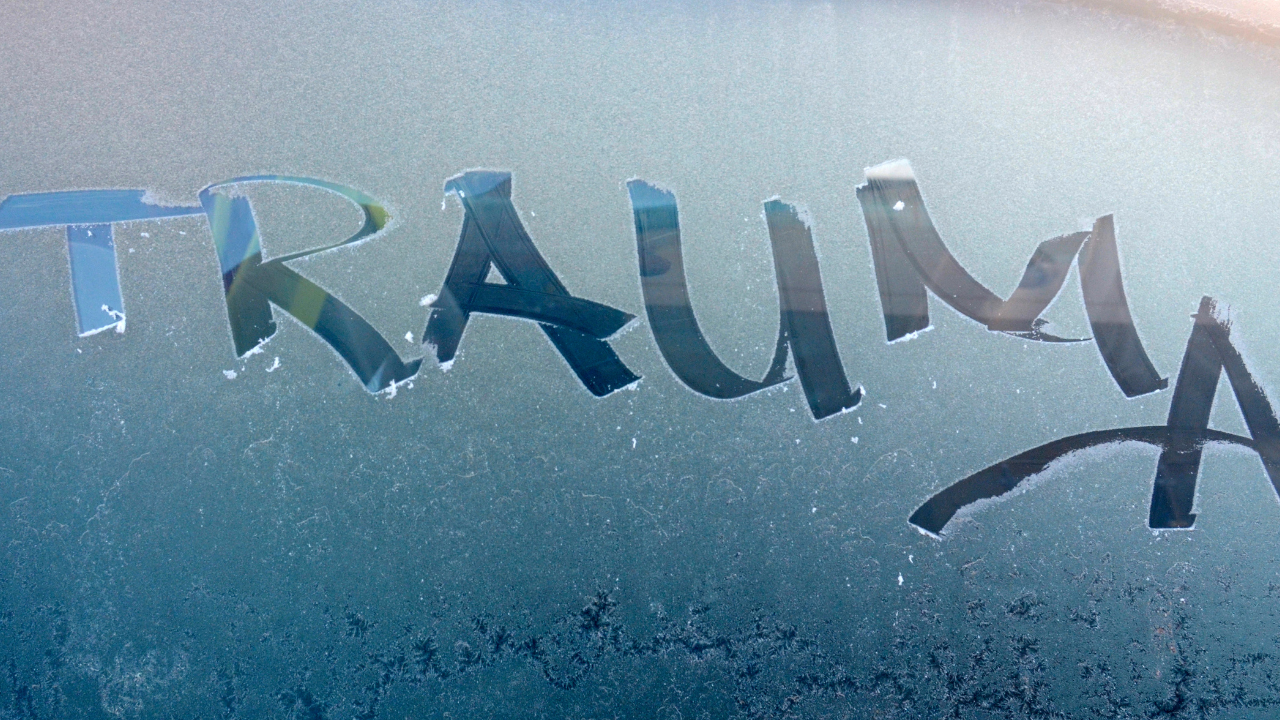
Trauma is something millions of people carry — often silently. It can shape the way we see ourselves, relate to others, and move through the world. But healing is not only possible; it's a journey that can be supported with the right tools, community, and guidance. That's why we're proud to offer our Transforming Trauma Mind-Body Skills Group Program at Texas Center for Lifestyle Medicine — and we're excited to announce the next round is starting this April.
Understanding Trauma: More Than Just a Memory
When most people think of trauma, they picture a single catastrophic event. But trauma is far more nuanced than that. It can stem from childhood neglect, relationship challenges, medical crises, accidents, loss, systemic oppression, or the slow accumulation of painful experiences over time — what researchers sometimes call "small-t trauma."
What makes trauma so complex is that it doesn't just live in our minds. It lives in our bodies.
The pioneering work of Dr. Bessel van der Kolk, author of The Body Keeps the Score, helped bring widespread awareness to the idea that trauma is stored somatically — in our muscles, nervous systems, and physiological responses. When we experience something overwhelming, our brain's threat-detection system (the amygdala) can become hyperactivated, keeping us in a state of chronic fight, flight, or freeze even long after the danger has passed.
This is why trauma survivors often experience:
- Anxiety, hypervigilance, or emotional numbness
- Difficulty trusting others or feeling safe in relationships
- Physical symptoms like chronic pain, fatigue, or digestive issues
- Sleep disturbances, intrusive thoughts, or flashbacks
- A disconnection from one's own body or sense of self
The good news? The brain and body are remarkably resilient. With the right support, healing is not just possible — it's profound.
Why Mind-Body Approaches Help
Mind-body healing modalities focus on skills that promote self-awareness, stress management, coping tools, and
- Breathwork — Conscious breathing techniques that activate the parasympathetic nervous system, shifting the body out of "survival mode" and into a state of calm and connection.
- Mindfulness and meditation — Practices that cultivate present-moment awareness, helping survivors gently observe their thoughts and sensations without being overwhelmed by them.
- Somatic awareness — Learning to notice and work with physical sensations in the body as a pathway to processing stored trauma.
- Movement and gentle exercise — Research shows that intentional movement can help discharge stored trauma energy and restore a positive relationship with the body.
- Community and group healing — Shared experience is a powerful antidote to the isolation that trauma often creates. Healing in the presence of others who truly understand can be deeply transformative.
When these approaches are combined in a structured, trauma-informed group setting, they create the conditions for lasting change — not just symptom management, but genuine transformation.
Introducing the Transforming Trauma Mind-Body Skills Group
Our Transforming Trauma Mind-Body Skills Group Program, led by Geny Moreno, is designed to offer exactly this kind of holistic, supported healing experience. Over the course of eight weeks, participants come together in a safe and nurturing group environment to explore practical skills and evidence-based modalities that can help shift the lasting impact of trauma on their lives.
This is not a passive program. Participants leave each session with real tools they can use — skills to regulate their nervous system, reconnect with their bodies, and build resilience from the inside out.
Program Details
- Duration: 8 weeks, in-person
- Location: Texas Center for Lifestyle Medicine
- Two session options:
- Tuesdays, starting April 7th | 1:30 PM – 3:30 PM
- Wednesdays, starting April 8th | 10:00 AM – 12:00 PM
A Note on Who This Program Is For
Because trauma work is deeply personal — and because the group format means participants will be sharing space and experiences together — we take the intake process seriously. Before being cleared to join, all participants are required to schedule a preliminary consultation with Geny Moreno.
This brief check-in is not a barrier; it's a gesture of care. It ensures that:
- You feel comfortable with the material and format
- You have realistic and appropriate expectations for the program
- The group setting is genuinely the right fit for where you are in your healing journey
We believe that starting this way sets everyone up for a richer, safer, and more meaningful experience.
How to Register
Ready to take the next step? Here's how to get started:
Schedule your consultation with Geny:
- 📲 Text: 713-597-4521
- 📞 Call: 713-690-1991
Investment:
- Billable medical visits: Co-pay applies to each of the 8 sessions
- Self-pay rate: $80 per session
Space is limited, so we encourage you to reach out soon.
You Don't Have to Heal Alone
If you've been waiting for a sign to invest in your healing, consider this it.
We look forward to walking this journey with you.
Questions? Contact our office at 713-690-1991. We're here to help.
Texas Center for Lifestyle Medicine is committed to providing integrative, whole-person care that honors the connection between mind, body, and spirit.
