Blog
Mind-Body Skills for Transforming Trauma: September-October 2026
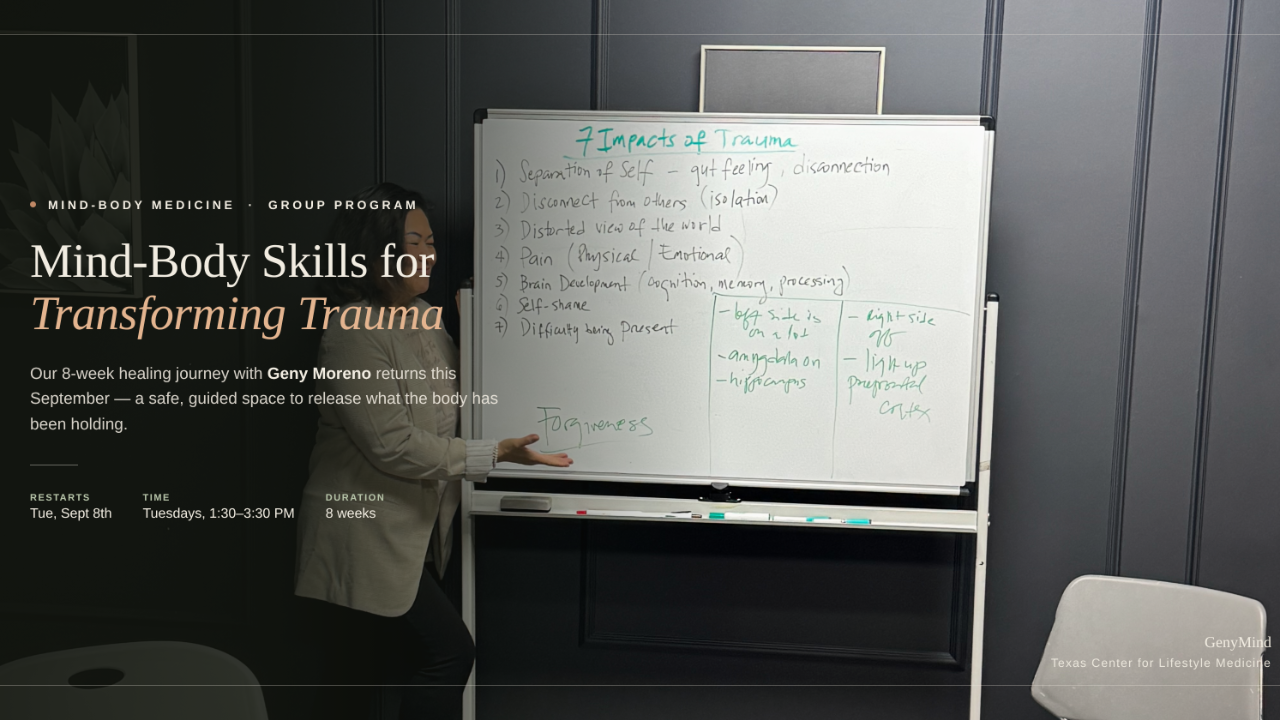
If you carry the weight of experiences you've never quite been able to put down — whether it's a single defining event or years of smaller moments that added up — you are not alone, and you are not broken. Nearly all of us carry some form of unresolved trauma, whether it's what practitioners call "big T" trauma or "little t" trauma. The difference isn't in whether it happened to you. It's in whether you've had a safe way to process it.
This September, Geny Moreno, our mind-body medicine practitioner, is once again opening the doors to her deeply impactful eight-week program: Mind-Body Skills for Transforming Trauma.
Why This Program Matters
The science on trauma is clear: when we don't have safe, supported ways to process and release difficult experiences, they don't just fade away. They impact us in mental and physical ways. This shows up as chronic tension, anxiety, disrupted sleep, digestive issues, or simply a persistent sense of being on edge — even when, on paper, everything i...
Breakfasts for POTS: Simple, Symptom-Friendly Mornings with Ruben Lespron, RD
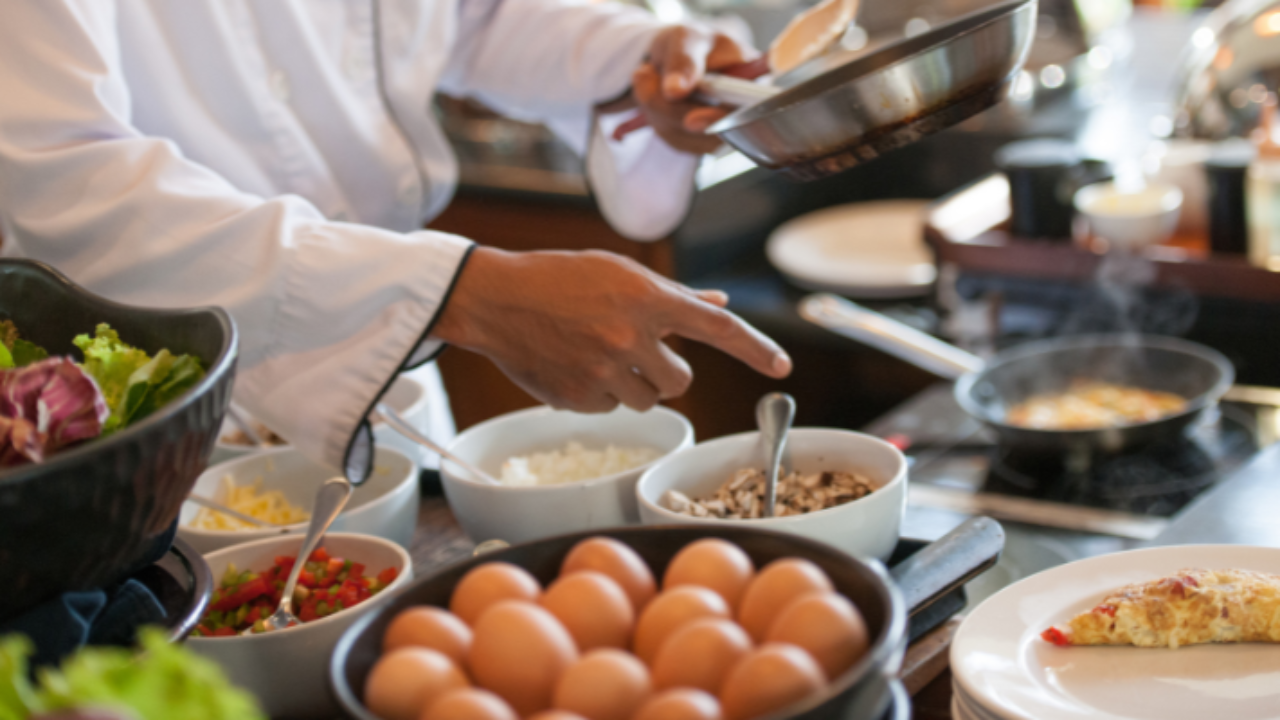
If you live with POTS, you already know that mornings come with their own set of rules. Low energy, blood pressure swings, and brain fog can turn something as simple as making breakfast into a genuine challenge — and skipping the meal altogether often makes symptoms worse, not better.
That's exactly why we're hosting Breakfasts for POTS!, a hands-on cooking class designed specifically for our POTS and dysautonomia community.
Class Details
Breakfasts for POTS! with Ruben Lespron, RD
📅 Friday, August 21, 2026
🕐 12:00 – 1:00 PM
Virtually on Zoom! - Join from the comfort of your own home!
Why Breakfast Matters (and Why It's Hard)
For many people managing POTS, mornings are the toughest part of the day. Blood pressure and heart rate can be at their most unpredictable right after waking, energy is often at its lowest, and brain fog can make even simple decisions — like what should I eat? — feel overwhelming. Add in the physical effort of standing at a stove or chopping ingredients, a...
What Is Integrative, Lifestyle Medicine? (And Why It's Different)
If you've spent years bouncing between specialists, collecting prescriptions, and still not feeling like yourself, you've probably wondered if there's a different way to approach your health. There is — and it's the foundation of everything we do at Texas Center for Lifestyle Medicine.
Two terms, one whole-person approach
Lifestyle medicine treats daily habits — food, movement, sleep, stress, and connection — as medicine in their own right. Instead of only managing symptoms, it looks at how the way you eat, move, rest, and relate to others is either feeding a condition or helping resolve it.
Integrative medicine takes that same whole-person approach and combines it with conventional care — medications, diagnostics, specialist referrals — when and where they're genuinely needed. It's not "alternative" medicine instead of conventional medicine. It's both, working together, organized around you instead of around a single diagnosis.
Put them together, and you get a model of care built ...
Reframing Dysautonomia: From Symptom Suppression to Holistic Regulation

In the field of medicine, we often treat symptoms as enemies to be defeated. However, when it comes to conditions like Postural Orthostatic Tachycardia Syndrome (POTS) and general autonomic dysfunction, our approach at the Texas Center for Lifestyle Medicine is shifting: we are learning to view these experiences not as broken processes, but as vital signals from the body.
The "Check Engine Light" Metaphor
When your car’s check engine light turns on, you don’t just put a piece of tape over it. You investigate. Yet, in modern medicine, we often use medication to suppress symptoms—effectively taping over the warning light. While this may provide temporary relief, it often leaves the root cause unaddressed.
For many, autonomic dysfunction is a physiological survival mechanism rather than a strictly pathological disorder. It is the body’s way of communicating that it is in a state of high-drive "survival" mode.
Understanding the Dopamine-Histamine Connection
Many patients navi...
POTS & Dysautonomia Master Course: Your All-in-One Support System at Texas Center for Lifestyle Medicine
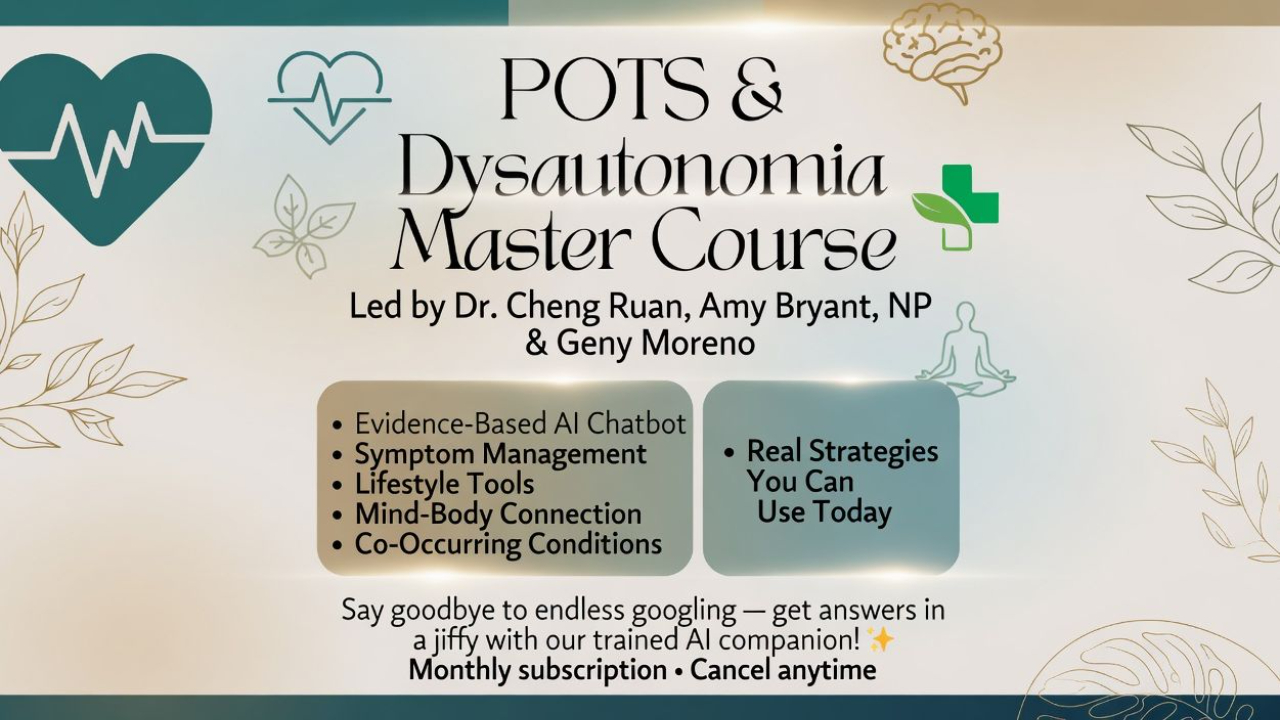
Living with POTS or dysautonomia can feel overwhelming. The unpredictable symptoms, the search for answers, and the daily effort to manage it all often lead to hours spent googling — only to end up more confused. That’s why we created something truly different.
We’re excited to introduce our POTS & Dysautonomia Master Course — a comprehensive, practical program designed to empower you with real knowledge, tools, and support you can use starting today.
More Than Just Information — Your Personal AI Companion
Unlike traditional courses that leave you on your own after the lessons, our program includes its own evidence-based trained AI Chatbot built specifically around POTS, dysautonomia, and related topics.
Say goodbye to endless googling. Get reliable, personalized answers in a jiffy — whenever symptoms flare, questions arise, or you need quick strategies. Whether it’s 2 a.m. or midday, your AI companion is there to help you navigate the journey with clarity and confidence.
Expert-L...
Cultivating Resilience: The Power of Radical Acceptance and Perspective
In our recent "Unboxing You" session with Dr. Cheng Ruan, we delved into the profound connection between our mental outlook and physiological well-being. At the heart of our discussion were three pillars of mental health: radical acceptance, resilience, and perspective.
Radical Acceptance: A Path to Calm
Radical acceptance is the practice of acknowledging reality exactly as it is, without judgment, guilt, or the exhausting effort of wishing it were different. When we resist our circumstances, our bodies often react with a physiological stress response—elevating cortisol, histamine, and blood pressure. By choosing to accept our feelings and situations, even the difficult ones, we preserve our energy and foster a state of physiological calm.
Building Resilience Through Adversity
It is a common misconception that resilience is built in sheltered environments. On the contrary, resilience emerges from navigating life's challenges. Overcoming adversity is what fosters strength and charac...
Discover Personalized Neurofeedback at Texas Center for Lifestyle Medicine
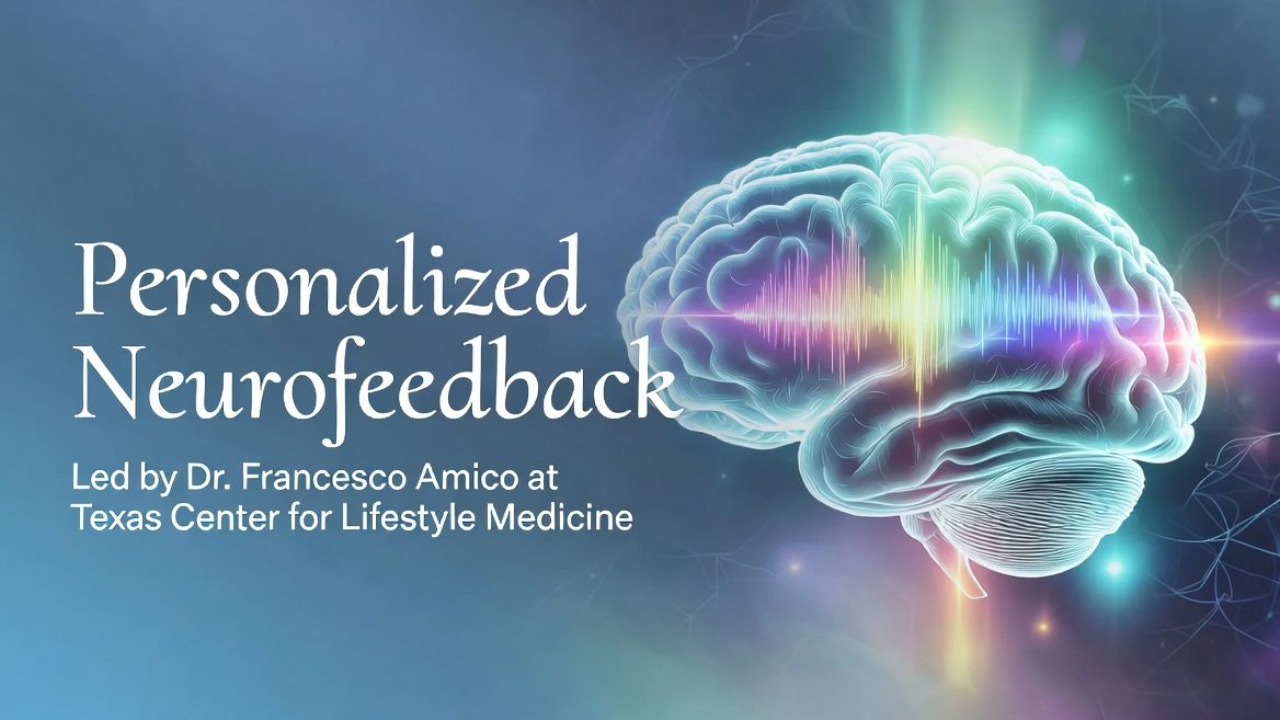
At Texas Center for Lifestyle Medicine (TCLM), we’re committed to offering advanced, individualized solutions that go beyond conventional treatments. Our personalized Neurofeedback program, led by Dr. Francesco Amico, Neuroscientist and Neurofeedback Coach, is one of the many services we offer at TCLM to address chronic issues.
What Makes Our Neurofeedback Program Different?
Unlike traditional neurofeedback programs that follow a standard, one-size-fits-all protocol, our approach is truly individualized. Dr. Amico personally analyzes your brainwave data in real time during each session. He makes immediate adjustments to the settings and provides custom recommendations tailored to your unique needs throughout the entire program.
This hands-on, data-driven method ensures you’re never receiving a “cookie-cutter” treatment. At TCLM, we believe in precision and personalization — and this program reflects that commitment.
Our neurofeedback services are designed to provide:
- Evidence-b...
You're Invited: GLP-1 Peptides Group Visit on Tuesday, June 16th

We are excited to announce that Dr. Cheng Ruan will be hosting a special group visit for patients interested in learning more about GLP-1 peptides.
Group Visit Details:
- Date: Tuesday, June 16th
- Time: 8:30 AM – 9:00 AM
- Topic: GLP-1 Peptides – Myths vs. Facts, Candidacy, Benefits, and More
This informative session is open to anyone who would like to understand GLP-1's such as tirzepitide. You’ll have the opportunity to learn key information, ask questions, and discover whether this treatment may be a good fit for you.
Ready to register?
Please contact our office by phone at 713-690-1991 or text 713-597-4521.
Billing Note: All groups are billed as medical visits. If you are using insurance, your copay will apply. Self pay rate: $80.
Contact our office if you have any questions! As always, we are open to feedback, recommendations, and ideas for our group programs at TCLM. If there is a topic you'd like for us to cover more of, email Jillian, Outreach Coordinator at Jillian@...
Unbox Your True Self: Finding Peace Through Subtraction and Nervous System Regulation
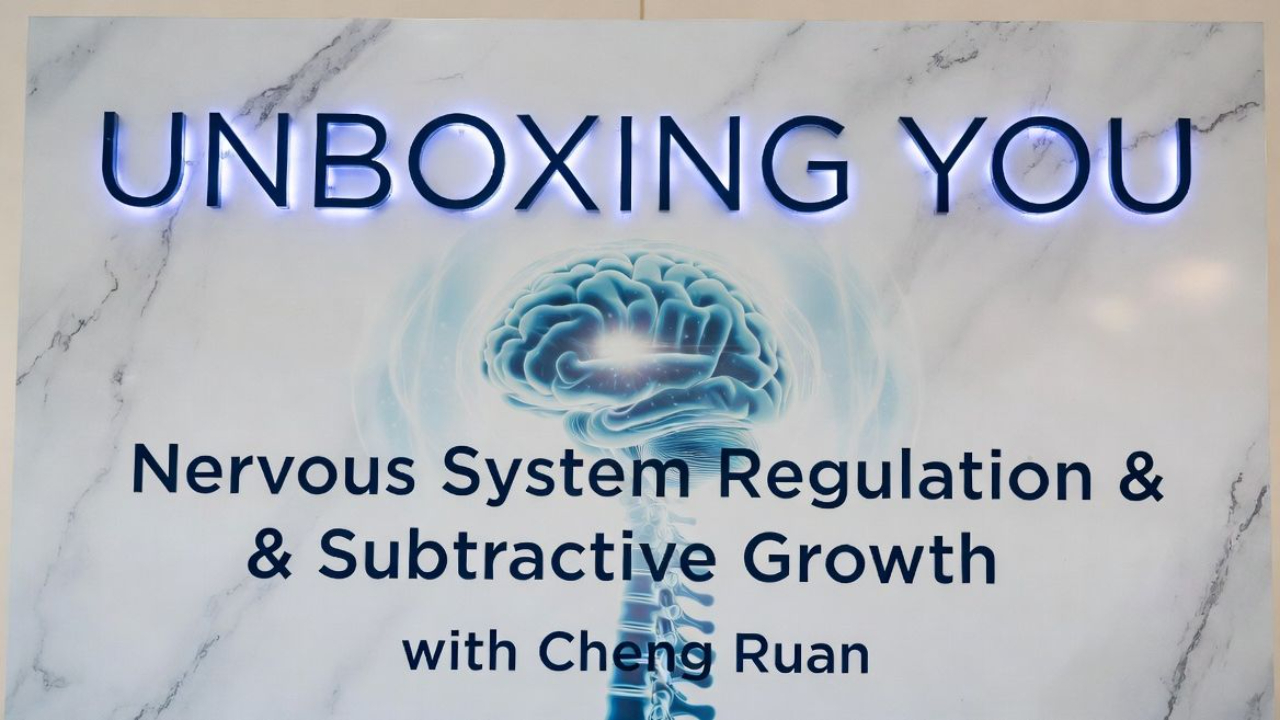
In a world obsessed with doing more and being more, the "Unboxing You" class offers a radical alternative: doing less. By focusing on nervous system regulation and a philosophy of subtractive growth, we can reveal the peace that already exists within us. Cheng Ruan shared profound insights on how we can shift our internal states and redefine our approach to personal evolution.
Mastering Your Biology: Progressive Muscle Relaxation
One of the most effective tools for immediate regulation is Progressive Muscle Relaxation (PMR). Developed in the 1920s, PMR involves systematically tensing and then tensing and then suddenly releasing muscle groups. As Cheng Ruan explained, this practice creates a powerful contrast that helps the body shift from the sympathetic nervous system (fight or flight) to the parasympathetic nervous system (rest and digest). This "pulsing"—moving between states of tension and release—is essential for maintaining biological health and preventing us from getting stuck...
Sheet Pan Meals: Join Our POTS Cooking Class This Friday

May 15, 2026 | 12:00–1:00 PM | Virtual on Zoom
Are you looking for ways to create nourishing meals without exhausting yourself? Our next Cooking for POTS group visit is happening this Friday, May 15, and we'd love to have you join us!
What You'll Learn: Sheet Pan Meals Made Simple
Led by Ruben Lespron, RD, this class focuses on true one-pan cooking designed to minimize prep, dishes, and standing time. If the thought of cooking leaves you feeling drained before you even start, this session will change the way you think about meal preparation.
You'll discover how the same ingredients can be roasted and seasoned in several different ways to create flavorful, complete meals with very little hands-on effort. It's all about working smarter, not harder, in the kitchen.
Class Highlights:
Minimal prep techniques that save energy – Spend less time on your feet and more time resting. We'll show you shortcuts that actually work.
Strategies for days when brain fog makes decisions harder – Si...
